Phuket elephant observation without riding
A Phuket elephant observation visit starts with the kind of interaction you are choosing. These programmes centre on watching elephants with a guide, rather than riding them or joining them in the water. The practical choice is between a shorter canopy-walkway programme and a longer visit that includes a vegetarian Thai meal. Both place observation and educational content within a defined visit.
Keep the visit as its own part of your island plans rather than adding it as a brief stop between unrelated attractions. The things to do guide helps with the wider itinerary, and the accommodation area guide helps connect your base with transport. The programme’s transfer option determines whether hotel collection is included.

Elephant observation visits
Both guided visits include the elephant hospital. One includes a vegetarian meal, the other a canopy walkway.
Hand-picked tours, booked through GetYourGuide. Prices are indicative starting prices in US dollars (as of November 2026). Tap a tour for live availability and the current price in your currency.

Elephant observation with vegetarian meal
- Educational video documentary
- Vegetarian Thai meal
The guided observation visit includes an elephant hospital visit. Hotel transfer is included only with the selected option.
Check availability →
Elephant observation from a canopy walkway
- Educational video documentary
- Elephant Hospital visit
A guided observation walk includes refreshments. Hotel transfer is included only with the selected option.
Check availability →Photos – Elephant observation with vegetarian meal: Beautiful Sunset on Promthep Cape, Phuket island, Thailand · Crop of a photo by Phuket@photographer.net · CC BY 2.0; Elephant observation from a canopy walkway: Phuket 2014 february - panoramio (23) · Crop of a photo by Roma Neus · CC BY 3.0


Elephant observation visits
The canopy walkway programme and the longer visit share guided observation, educational material and an Elephant Hospital visit; their duration and food arrangements differ.
The canopy walkway programme
The shorter visit is listed as ninety minutes. It includes welcome snacks and refreshments, an educational documentary, a guided walk across the canopy walkway to observe elephants and an Elephant Hospital visit. Iced soda and snacks are also listed. This option makes sense when the walkway observation is the main purpose and you prefer a shorter scheduled activity.
The guide provides the structure of the visit. Let the observation setting determine what you watch rather than expecting the elephants to perform a particular action for a photograph. The programme describes the visitor experience, while the animals’ behaviour supplies the moment-to-moment interest. Treat the duration as the listed programme length, with transport arrangements considered separately.
The longer visit with a vegetarian meal
The longer programme is listed as three and a half hours. It combines welcome snacks and refreshments, an educational video, an Elephant Hospital visit and a guided tour to observe elephants. A vegetarian Thai meal distinguishes its meal arrangements from the shorter walkway visit. Choose it when you want that longer scheduled programme and the meal as part of the visit.
Compare those concrete differences rather than assuming that a longer programme grants more direct animal contact. Observation remains the relevant activity. The educational film and Hospital visit are named components, not a reason to infer unrestricted access to animal-care areas or participation in treatment. Follow the guided programme and the staff’s visitor instructions.
Hotel transfers and arrival
For both visits, hotel transfer is included only when the transfer option is selected. Without that option, transport to and from the sanctuary is outside the programme. The listed arrival arrangement is registration at the sanctuary building by its logo banner. Match the arrival instructions to the chosen visit instead of treating the activity start as a hotel pickup time.
When deciding how the visit fits your day, put the programme length beside the actual collection or arrival arrangements. Leave the rest of the route uncomplicated rather than attaching a boat departure to an assumed return time. For broader activity choices from the same island base, see Phuket tours and excursions.
Wildlife, sanctuary names and welfare questions
World Animal Protection argues that terms such as sanctuary or rescue centre are not enough to establish animal welfare. Its elephant-friendly tourism guidance favours observation without touching and criticises riding, bathing and forced close contact. This is the organisation’s welfare position, useful as a way to assess the activities a visitor is being asked to join.
The operator of these programmes, Phuket Elephant Sanctuary, describes its site as a home for rescued former working elephants. That description and the NGO’s position serve different purposes: one explains the operator’s account of its animals, while the other offers an external welfare framework. A sanctuary name is not a government welfare certificate or an independent ranking.
Feeding practices and what observation means
In the operator information reviewed on 8 November 2026, feeding interactions with guests had ended from 1 April 2026. The operator also states that it does not offer tourist bathing or mud-bathing with elephants, leaving the animals to determine their own bathing behaviour. Choose the programmes for observation and the listed educational elements, without adding hand-feeding to the expected experience.
That change concerns this operator’s stated practice. It does not describe every elephant camp on Phuket or establish the meaning of similar programme titles elsewhere. When considering another visit, examine what guests actually do around the animals. A label or a photograph is less informative than the interaction offered.
A calm place in your island itinerary
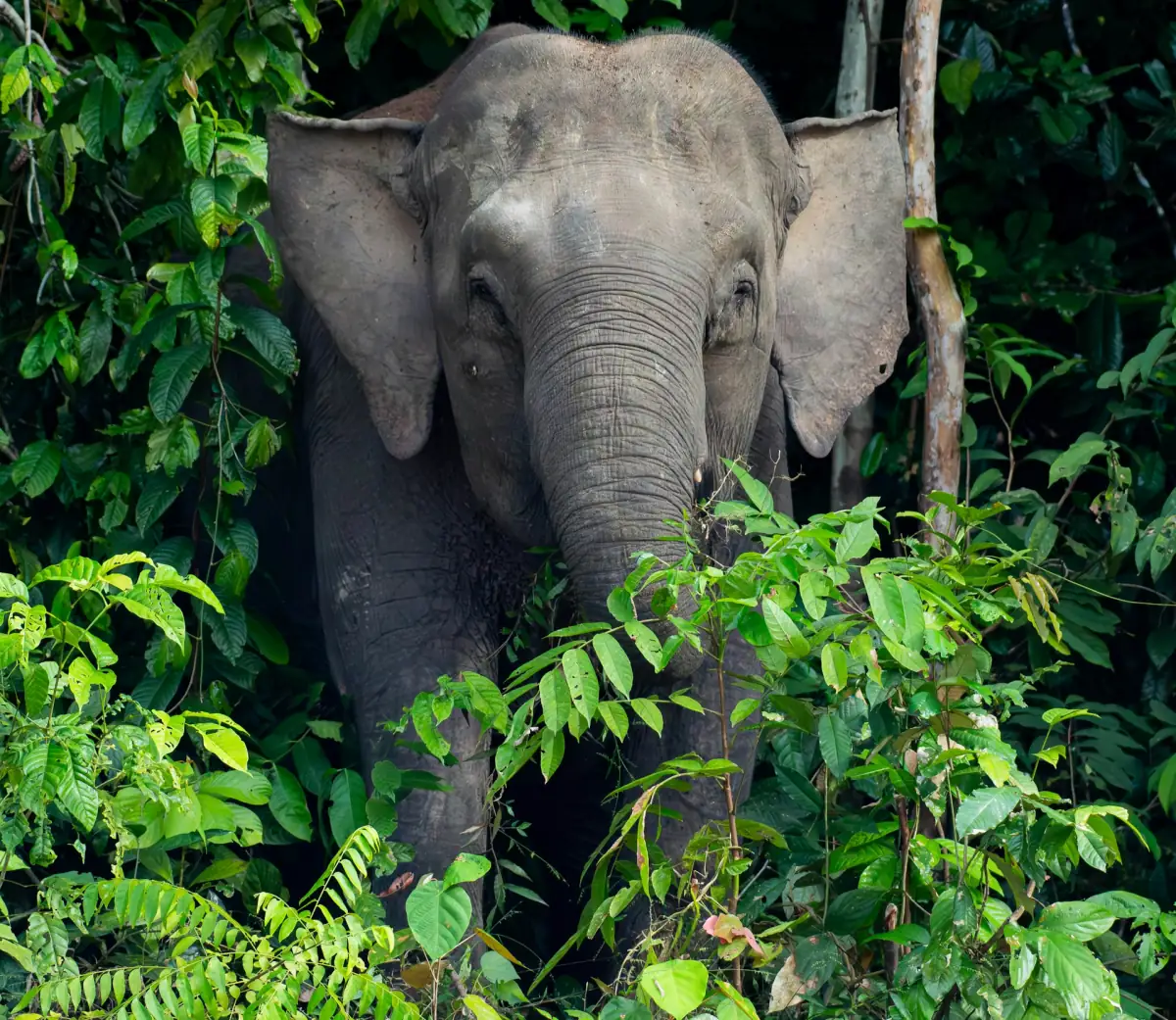
Approach the outing with attention to the animals rather than a checklist of close-contact moments. The walkway and guided observation give a defined setting for watching, while the educational content offers another part of the visit even when an elephant is not doing something conspicuous. The images on this page illustrate elephants and vegetation, without identifying the pictured site as either programme.
Choose the shorter or longer programme on the basis of time, food and transfer arrangements. For a separate day based on town streets and temples, the city tour guide provides a different kind of land outing. Keeping those purposes distinct makes it easier to give the observation visit its own pace and attention.
Questions about your visit
Can guests feed the elephants during these visits?
The operator states that feeding interactions with guests ended on 1 April 2026, according to information reviewed on 8 November 2026. Choose the programme for guided observation.
What separates the two programmes?
The ninety-minute visit specifies the canopy walkway. The three-and-a-half-hour visit includes guided observation and a vegetarian Thai meal. Both list educational content and an Elephant Hospital visit.
Which option includes hotel transfer?
Transfer is included only with the relevant option. Otherwise, transport to and from the sanctuary is separate from the visit.
Does sanctuary mean government-certified welfare?
The name is not a government welfare certificate. World Animal Protection recommends assessing the actual interaction, favouring observation without touching.